Luck versus skill How do they shape your gambling success
The Nature of Gambling: Luck and Skill Defined
Gambling is a multifaceted activity that blends chance and expertise. At its core, luck refers to the unpredictable factors that can influence the outcome of any game. Whether it’s the roll of dice, the shuffle of cards, or the spin of a roulette wheel, these elements of randomness often dictate the immediate outcomes that players experience. With the right tools, such as the octa fx trading app, users can make informed decisions about their finances over time. Luck can lead to unexpected windfalls, sometimes making the difference between a significant loss and an enormous win.
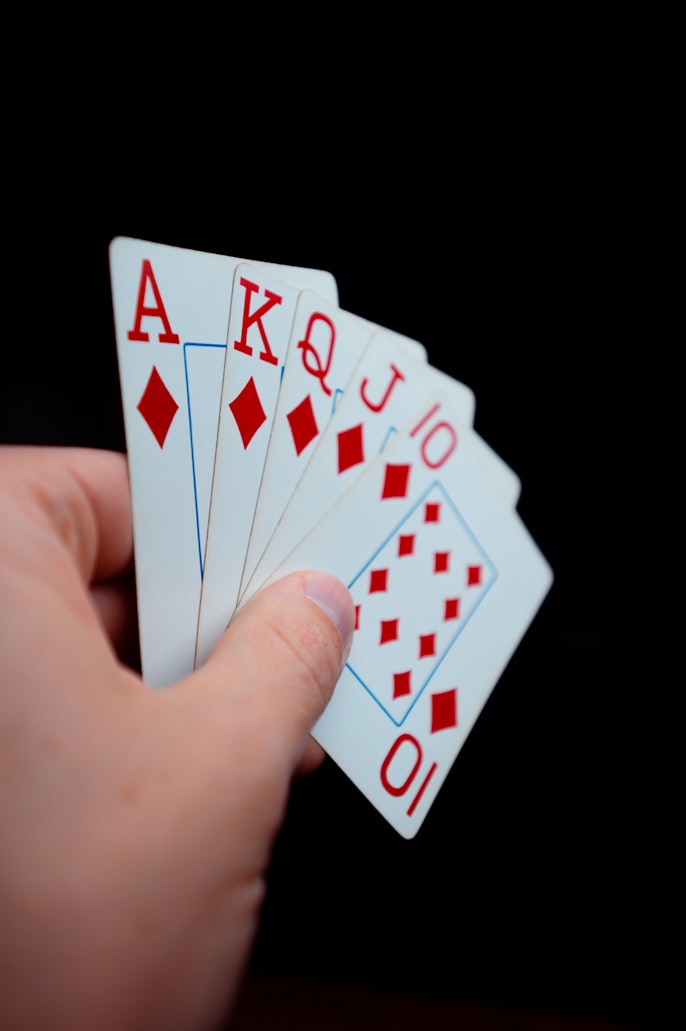
On the other hand, skill encompasses the knowledge and strategies that players employ to improve their odds. Games like poker, blackjack, and sports betting require a deep understanding of probabilities, psychological tactics, and statistical analysis. Skillful players leverage their knowledge to make informed decisions, recognizing patterns and probabilities that enhance their chances of winning over time. While luck can dictate short-term outcomes, skill plays a crucial role in long-term gambling success.
Understanding the balance between luck and skill is essential for gamblers seeking to develop their approach. Newcomers to gambling may rely heavily on luck, often leading to erratic outcomes. In contrast, seasoned players often cultivate their skills, working to minimize luck’s impact and maximize their chances of success. This understanding is vital, as it helps gamblers navigate their choices and strategies effectively.
The Role of Luck in Gambling
Luck is often the most discussed aspect of gambling, especially among casual players who tend to focus on the immediate outcomes of their bets. Each game presents unique probabilities, and random events can create surprising results that even the most skilled players cannot predict. For instance, in slot machines, results are entirely based on chance; no amount of strategy can influence when a jackpot will hit. This element of luck can provide exhilarating highs and devastating lows, making gambling unpredictable.
The psychological impact of luck cannot be overlooked. Players often attribute wins to luck and losses to bad luck, which can influence their future gambling behavior. This mindset can lead to the illusion of control, where gamblers believe they can manipulate luck through superstitious rituals or patterns. Recognizing luck’s role helps players maintain a balanced perspective, which is crucial for responsible gambling practices.
Furthermore, luck can vary across different games and scenarios. For example, games like baccarat are heavily luck-dependent, while poker and blackjack incorporate elements of skill. Understanding the level of luck involved can guide players in selecting the right games that align with their strengths and risk tolerance. Ultimately, while luck is an undeniable factor, it should not be the sole focus for players aiming for consistent success.
The Impact of Skill on Gambling Success
Skill is a vital component of many gambling games, significantly influencing outcomes over time. In poker, for instance, a player’s understanding of odds, betting strategies, and psychological manipulation of opponents can lead to sustained success. Skilled players can consistently make better decisions than their less experienced counterparts, which can accumulate substantial wins despite the inherent luck involved in any given hand.
In blackjack, employing strategies such as card counting can shift the odds in favor of the player. This skill requires practice and dedication but can lead to a more favorable outcome compared to random guessing. The difference between a novice who plays by intuition and a skilled player who utilizes optimal strategies can be stark, illustrating how skill can alter the dynamics of gambling.
Moreover, skill can help mitigate the downsides of luck, allowing players to manage their bankrolls effectively and make decisions that extend their playtime. Skilled gamblers understand when to take calculated risks and when to walk away, fostering a more sustainable gambling experience. By investing time in learning and honing skills, players can shift the balance of their gambling experiences from luck to a more controlled and strategic approach.
Finding the right balance between luck and skill is essential for any gambler who wishes to achieve consistent results. Many games, particularly those played in casinos, are designed with an inherent house edge, meaning luck may not always be in a player’s favor. By understanding this balance, players can tailor their strategies to fit the games they choose to play, allowing them to capitalize on their skills while acknowledging the role of luck.
Players can also diversify their gambling experiences by choosing a mix of skill-based games and luck-dependent games. For example, someone may choose to play poker for the skill aspect while also enjoying a few spins on a slot machine for fun. This combination allows players to experience the thrill of luck while also engaging their skill sets in other games, resulting in a more balanced gambling portfolio.
Importantly, responsible gambling is rooted in understanding both luck and skill. Players should set limits, be aware of their emotional state, and recognize when luck might be dictating their play. By doing so, they can better manage their expectations, ensuring that gambling remains an enjoyable activity rather than a source of stress. Ultimately, the key to gambling success lies in the harmony between harnessing skill and accepting the whims of luck.
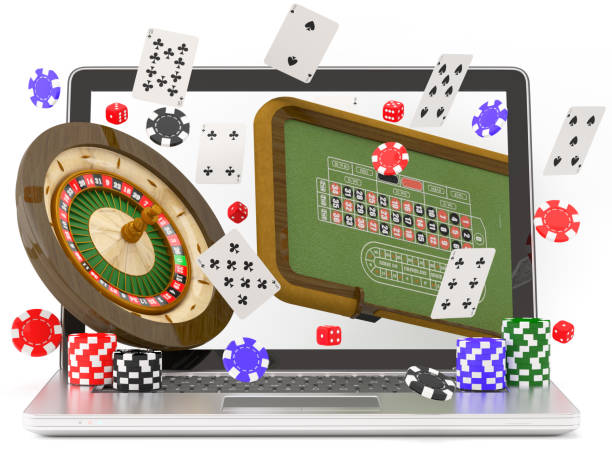
Conclusion: Understanding the Gambler’s Landscape
In the world of gambling, the interplay between luck and skill is complex and nuanced. While luck can lead to unexpected outcomes, skill enhances the ability to make informed decisions, thus increasing the chances of long-term success. Understanding this dynamic allows players to approach gambling more strategically, making choices that align with their strengths and preferences.
As players navigate this landscape, they can appreciate the thrill of luck while also honing their skills for a more fulfilling experience. Responsible gambling entails recognizing the role of both elements and adapting strategies accordingly, fostering a healthier relationship with gambling activities. The insights gained can lead to more enjoyable and potentially rewarding experiences at the table or in a casino.