The Initial Financial Outlay
When most people consider their expenses related to gambling in casinos, the first thought is typically about the direct financial outlay. This includes the money they set aside for buying chips or engaging in their favorite games. However, this amount is often just the tip of the iceberg. Many fail to account for the additional funds they might need due to losing streaks or the temptation to chase losses, which can quickly escalate their gambling budget beyond what was initially planned, especially when exploring options like online betting canada that may further influence spending habits.
Additionally, many casinos employ marketing strategies that can lure players into spending more than they intended. Promotions like match bonuses or free spins can give players a false sense of security, encouraging them to wager more. This can lead to a scenario where players end up spending their own money along with the promotional funds, often resulting in larger losses than they initially anticipated. Understanding these nuances is critical for anyone looking to gamble responsibly.
Moreover, the act of gambling itself can create a psychological trap. Players often find it difficult to stop when they are ahead or even when they are trying to recover from losses. The allure of potential winnings can make individuals ignore the financial realities of their situation. Thus, managing one’s bankroll effectively is essential to prevent these hidden costs from spiraling out of control, resulting in a financial commitment that exceeds original expectations.
Time as a Financial Factor
Time is another hidden cost that gamblers often overlook. When players enter a casino, they may lose track of time and end up spending hours, sometimes even entire days, engaging in games. This time investment comes at a cost, particularly when considering the potential earnings that could have been made elsewhere. For individuals who typically work or have commitments, this time deducted from productive activities can be seen as a hidden financial cost.
Additionally, the longer players stay in the casino, the more likely they are to gamble additional funds. Casinos are designed to keep players engaged through an exciting atmosphere, complimentary drinks, and never-ending entertainment options. This immersive experience can make it hard for players to leave, leading to extended visits that can significantly impact their overall financial health.
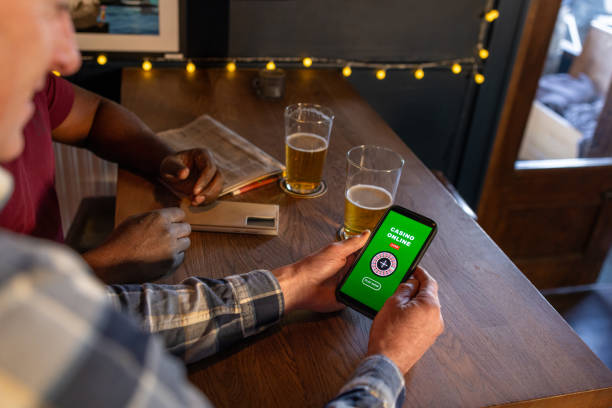
It is essential for gamblers to recognize the value of their time and how it correlates with their monetary expenditures. Setting limits on how long one can spend in a casino not only helps in managing finances but also brings a sense of control to the gambling experience. By being aware of the time factor, players can make more informed decisions that align with both their budget and personal commitments.
Emotional and Psychological Costs
The emotional and psychological costs of gambling are often far less tangible but can be incredibly significant. Many players experience ups and downs, leading to stress, anxiety, or even depression, particularly after big losses. These emotional repercussions can affect relationships, work life, and personal well-being, often extending beyond the casino environment. Players must recognize these risks and consider how gambling could impact their overall happiness and mental health.
Moreover, the stigma surrounding gambling addiction can further complicate matters. Those who develop problematic gambling behaviors may feel isolated and ashamed, leading to a reluctance to seek help. This can exacerbate their emotional distress and prevent them from addressing the underlying issues contributing to their gambling habits. Awareness and education about these emotional costs are crucial as they allow players to seek support and develop healthier gambling habits.
Support networks, either through friends or professional help, can significantly mitigate these emotional impacts. By understanding the psychological costs involved, gamblers can create contingency plans to help cope with the stresses that may arise from gambling. Recognizing that gambling is just a pastime and not a solution to personal problems is an essential step in ensuring a healthier relationship with gambling.
Additional Costs of the Gambling Experience
When gambling in casinos, players often encounter various additional costs that can stack up quickly. Beyond the money spent on games, there are often costs associated with food and beverages within the casino. Many establishments charge premium prices for dining options, drinks, and even snacks. Players may find themselves spending substantially more on these amenities than they would in regular restaurants or cafes outside the casino.
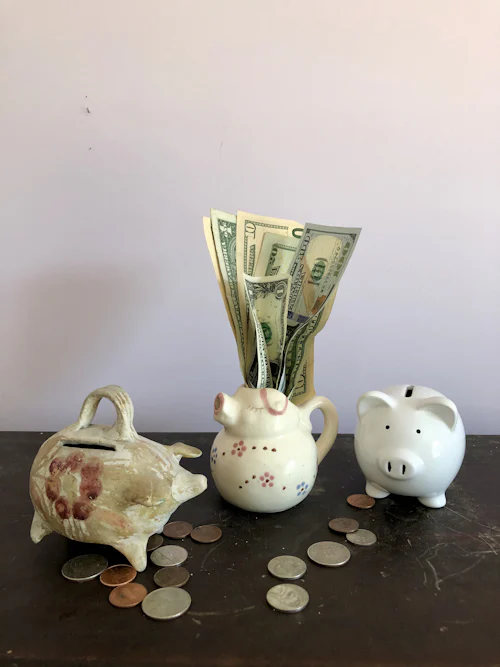
Transportation costs can also be significant, especially for those traveling a distance to reach the casino. Whether opting for gas, public transport, or ridesharing services, these additional costs can contribute to the overall expense of a casino visit. Moreover, for frequent visitors who might not be budgeting adequately, these transport expenses can become a considerable drain on finances over time.
There are also other hidden costs associated with the gambling environment itself. Tipping staff for services, fees for using certain facilities, and even the cost of entertainment can significantly increase the financial burden of a casino visit. Understanding and budgeting for these extra expenses are crucial for players who want to enjoy their gambling experience without breaking the bank.
Understanding the Key Takeaways for Responsible Gambling
For anyone interested in the thrilling world of casinos, understanding the hidden costs of gambling is essential for a responsible approach. Knowledge is power, and by being aware of the various financial, emotional, and psychological expenses involved, players can make informed decisions. Setting strict budgets, time limits, and recognizing when to seek help are essential components of a healthy gambling strategy.
Moreover, players can benefit from establishing a realistic understanding of their gambling habits and what they can afford. This means having an honest conversation with oneself about the potential risks and rewards of engaging in casino activities. By prioritizing entertainment and social enjoyment over the pursuit of financial gain, gamblers can keep their experiences positive and fulfilling.
As players navigate the complex landscape of casinos, they should keep in mind that responsible gambling is not just about financial management; it also encompasses emotional and psychological well-being. Establishing healthy relationships with gambling can ensure that it remains an enjoyable pastime rather than a source of stress or regret. With the right knowledge and strategies, individuals can enjoy the excitement of casinos while safeguarding their finances and mental health.